
Repair it, or replace it?
Not every fault means a new system, and not every old tank is worth saving. Here is the way a specialist actually makes the call.
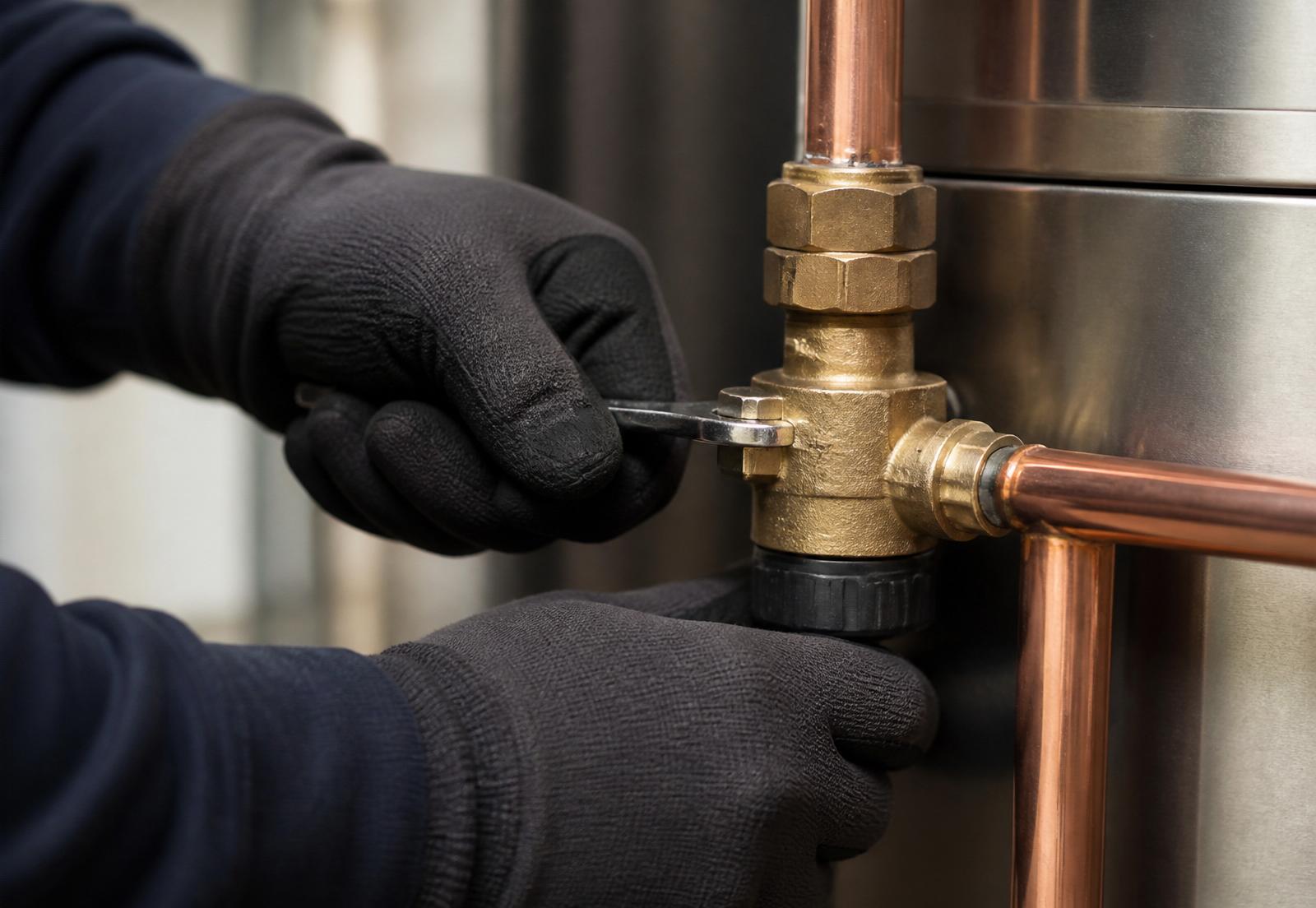
Three questions decide it.
1. Is the cylinder itself compromised?
This is the only question that can end the conversation on its own. Storage tanks are glass-lined steel protected by a sacrificial anode. When the anode is spent, the steel corrodes, and once the cylinder weeps there is no repair — the tank is finished. Rust-coloured hot water and damp ground under the tank are the two signals worth taking seriously.
2. How old is the system?
In Tasmanian conditions, electric and gas storage tanks commonly reach 8–12 years, continuous flow units 15–20, and heat pumps around 10–15. Under eight years, a component fault is almost always worth repairing. Beyond twelve, you are usually funding a short extension on a system that is going to be replaced soon anyway.
3. Does the repair cost approach half a replacement?
The trade rule of thumb: if the repair is more than roughly half the cost of a new system, and the system is more than halfway through its expected life, replace it. That single test resolves most borderline cases.
Quick reference
| Fault | System age | Usual call |
|---|---|---|
| Failed element or thermostat | Under 10 years | Repair |
| Failed tempering valve | Any age | Repair |
| Leaking PTR valve | Any age | Repair (test pressure first) |
| Leaking cylinder | Any age | Replace |
| Rusty or discoloured hot water | Over 8 years | Usually replace |
| Pilot or ignition fault | Under 12 years | Repair |
| Repeat faults in one year | Over 10 years | Replace |
If you're replacing, replace deliberately
A forced replacement is still a chance to improve the house. Consider whether a heat pump suits your running costs, whether continuous flow would free up space, or whether a straight electric storage swap is simply the right low-fuss answer. The replacement cost guide sets out what changes the price.
- Get the fault confirmed before deciding — not guessed at over the phone.
- Ask for the age and warranty status of the existing unit.
- Compare repair cost against replacement, not against zero.
- If it is leaking from the tank, skip straight to replacement.
How the call changes by system type
Electric storage
Elements and thermostats are inexpensive, so repair wins easily on a sound cylinder. The moment rusty water or damp ground appears, the decision flips.
Gas storage
Thermocouples and pilot assemblies are cheap repairs; a gas control valve on a tank past ten years rarely is. Ask what the part costs relative to a new unit before agreeing.
Continuous flow
These are worth repairing far longer than tanks. Igniters, flame rods, sensors and water valves are all economical; only a failed heat exchanger out of warranty really justifies replacement.
Heat pumps
Controllers, sensors and boost elements are repairable. Anything inside the sealed refrigerant circuit on an out-of-warranty unit generally points to replacement.
Practical checks before you decide
- Read the compliance plate for the build date — it settles the age question in a minute.
- Check the ground beneath the unit for damp or staining; a leaking cylinder ends the discussion.
- Run the hot tap and look for rust colouring that clears from the cold tap.
- Find your original invoice or compliance certificate — the warranty may still be live.
Everything past that point — element testing, gas components, valve replacement — is licensed work in Tasmania and should not be attempted at home. Brand-specific guidance sits on our Rheem, Rinnai and Dux pages, and installation is covered on the hot water installation page. Common questions are collected in the hot water FAQ, and cylinder types, sizing and warning signs are covered in the hot water cylinder guide.
Tell us what's happening
Answer a couple of quick questions so we can get your hot water sorted.
Prefer to speak now? Call (03) 6292 6093
Repair versus replace, answered.
At what age should I stop repairing a hot water tank?
+
Past about ten years, spending on anything beyond a cheap component rarely pays off — the cylinder is the part that fails next, and it cannot be repaired. Under eight years, most component faults are worth fixing.
My tank is leaking. Can it be repaired?
+
If water is coming from the cylinder body itself, no. Internal corrosion has breached the tank and replacement is the only safe outcome. Leaks at valves, unions or pipework are a different matter and are usually a straightforward repair.
Is a second repair on the same system a bad sign?
+
Often, yes. Repeat faults on an ageing tank usually mean the system is at the end of its service life, and the money is better put toward replacement than a third callout.
How long should a hot water system last in Tasmania?
+
Electric and gas storage tanks commonly reach 8–12 years here, stainless cylinders longer, continuous flow units 15–20 years, and heat pumps around 10–15. Our relatively soft Southern Tasmanian water is kinder to elements than mainland conditions, so age and anode condition matter more than scale.
Can I check the age of my system myself?
+
Yes, and it is worth doing before you spend anything. The compliance plate or sticker on the side of the unit carries a serial number that encodes the build date — usually the first four digits as year and week. Knowing the age turns the repair-or-replace question from a guess into a straightforward call.
Keep reading
Not sure whether to repair or replace?
We'll confirm the fault and the age of your system on site, then set out both options with a firm price so you can make the call with the full picture — not a guess over the phone.
- Same-day service where available
- Fixed-price quotes before work starts
- Licensed and insured
- All major brands serviced
Servicing Hobart, Glenorchy, Moonah, New Town, Sandy Bay, Kingston, the Eastern Shore and Southern Tasmania.
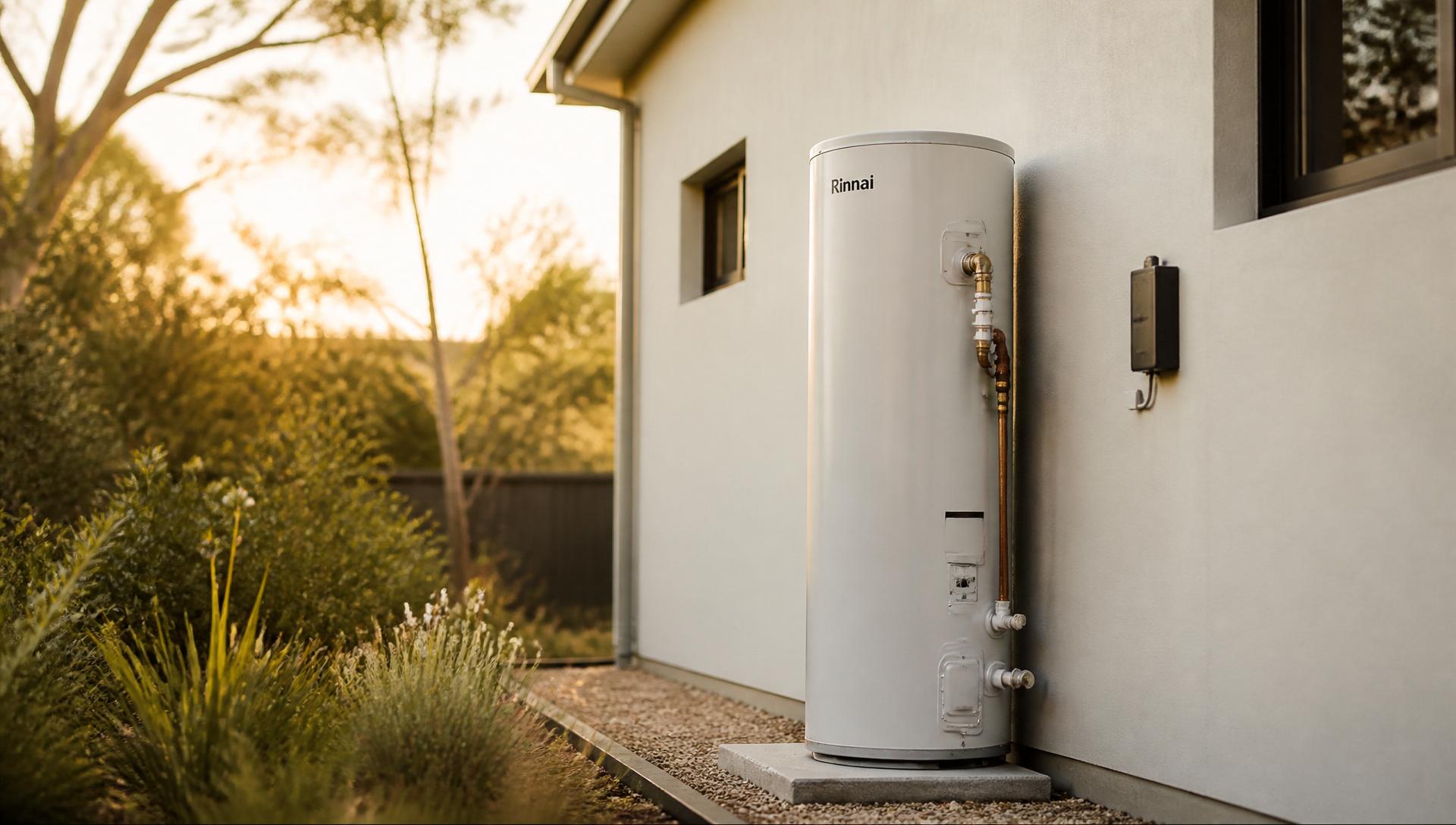
Not sure which way to go?
Tell us the system and the symptom — we'll give you a straight recommendation.